
As healthcare systems around the world continue to evolve, specialized clinics have gained increasing recognition for their ability to provide targeted, high-quality care. These focused institutions are revolutionizing how medical services are delivered, offering patients a more tailored approach to treatment and improving the efficiency of healthcare systems. The rise of specialized clinics has not only enhanced the quality of healthcare but also increased its accessibility and affordability. In this article, we will explore the significance of specialized clinics, how they are reshaping healthcare delivery, and the various types of specialized clinics that are playing an essential role in modern medicine.
The Importance of Specialized Clinics in Modern Healthcare
The healthcare landscape has witnessed significant changes over the past few decades, driven by advances in medical technology, the growing complexity of patient needs, and a global shift toward more patient-centered care. Specialized clinics have become an essential part of this transformation, providing highly focused, expert-level care for patients with specific health conditions.
Traditionally, patients would visit general practitioners (GPs) or hospitals for a wide variety of healthcare needs. While GPs and hospitals remain the backbone of healthcare systems, specialized clinics provide an opportunity for patients to receive care from professionals with deep expertise in particular fields of medicine. By narrowing their focus, specialized clinics can ensure that patients receive the best possible treatment for their conditions, leading to improved outcomes and faster recovery times.
Furthermore, specialized clinics have been instrumental in addressing gaps in healthcare access, particularly in underserved areas or regions with a shortage of healthcare providers. By focusing on a specific area of medicine, these clinics can often provide more efficient and affordable care, reducing wait times and increasing the availability of expert services. Specialized clinics have thus played a critical role in improving access to care and enhancing the overall healthcare experience for patients.
Types of Specialized Clinics and Their Role in Patient Care
Specialized clinics can be found across a wide range of medical disciplines, from dental care to heart health and everything in between. Below, we’ll examine some of the most common types of specialized clinics and the essential role they play in patient care.
Dental Clinics: Ensuring Oral Health for Overall Well-Being
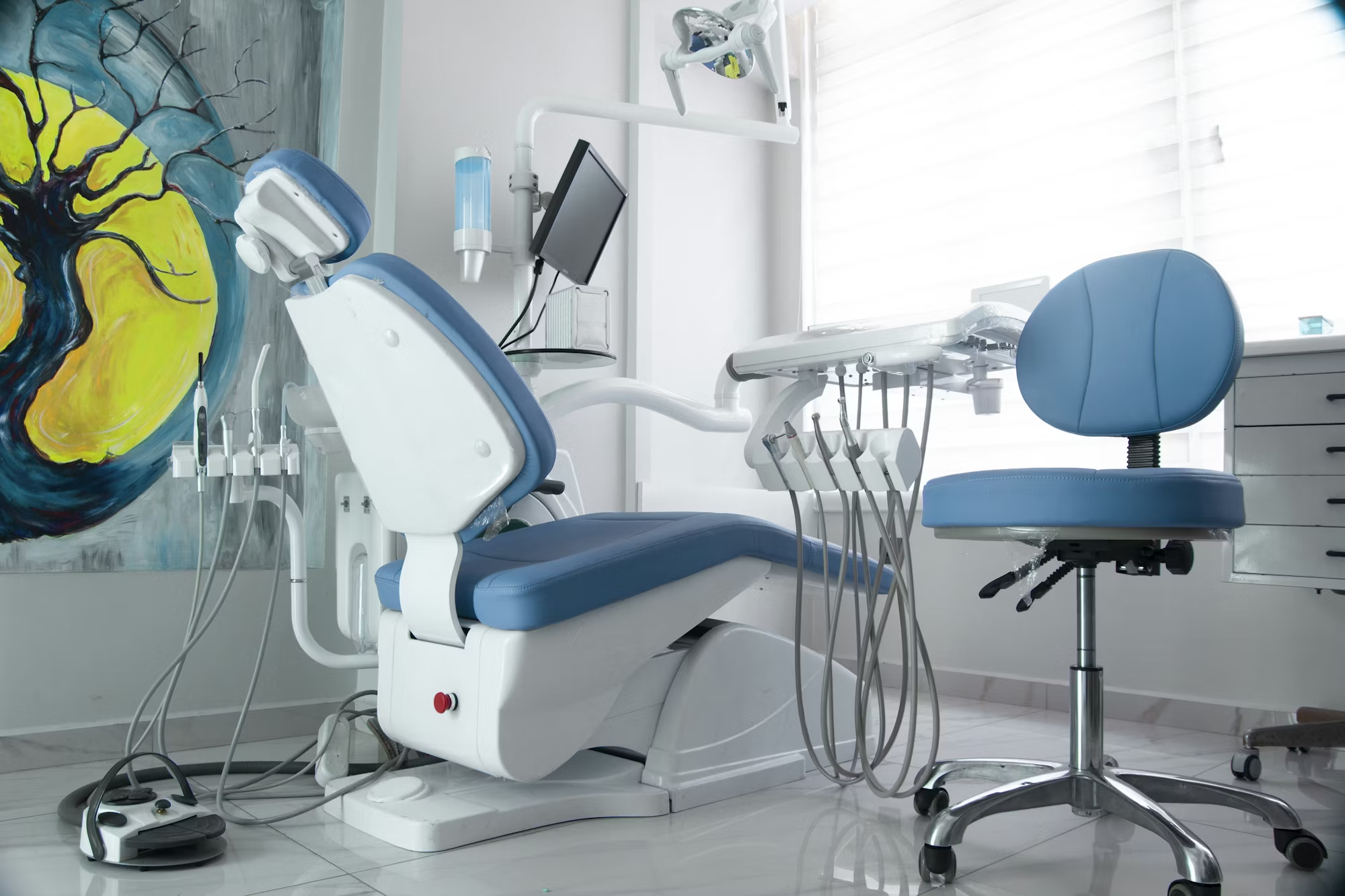
Dental clinics are perhaps the most universally recognized form of specialized care. These clinics focus on oral health, offering services ranging from routine check-ups and cleanings to complex procedures like root canals, dental implants, and orthodontic treatments. Maintaining good oral health is crucial for overall wellness, as poor oral hygiene has been linked to a variety of systemic conditions, including cardiovascular disease and diabetes.
Regular visits to dental clinics ensure that individuals can maintain optimal oral hygiene, prevent cavities, and address dental issues early before they become more serious. Dental clinics also play an important role in improving the cosmetic appearance of patients’ teeth through procedures like teeth whitening and veneers, contributing to enhanced self-esteem and quality of life.
Orthopedic Clinics: Specialized Care for Musculoskeletal Health
Orthopedic clinics are specialized medical facilities focused on diagnosing and treating musculoskeletal conditions. This includes a wide variety of issues, from joint pain and arthritis to fractures and sports injuries. Orthopedic specialists are trained to treat bones, muscles, tendons, and ligaments, offering a range of services, including physical therapy, surgical interventions, and rehabilitation programs.
Patients who visit orthopedic clinics benefit from personalized care and access to specialized equipment for diagnostic imaging, such as X-rays and MRIs. These clinics provide tailored treatment plans designed to alleviate pain, restore mobility, and improve the quality of life for individuals with musculoskeletal issues. For many patients, visiting an orthopedic clinic can lead to faster recovery times and more effective management of chronic conditions like osteoarthritis.
Cardiology Clinics: Focused Heart Health
Cardiology clinics specialize in diagnosing and treating heart-related conditions. These clinics offer a wide range of services, including blood pressure management, cholesterol monitoring, electrocardiograms (EKG), stress testing, and diagnostic imaging to assess the health of the heart. Cardiologists in these clinics are trained to detect and treat conditions like hypertension, coronary artery disease, and arrhythmias.
In addition to managing heart disease, cardiology clinics emphasize preventive care, offering patients advice on lifestyle changes such as diet and exercise to reduce the risk of heart disease. With the increasing prevalence of cardiovascular conditions worldwide, cardiology clinics are playing a crucial role in helping patients maintain heart health and prevent severe complications.
Dermatology Clinics: Advanced Skin Care and Cosmetic Treatments
Dermatology clinics specialize in diagnosing and treating a wide range of skin conditions, from acne and eczema to more serious conditions like psoriasis and skin cancer. These clinics are equipped with advanced diagnostic tools and treatment options that are specifically designed for skin-related issues.
In addition to treating medical conditions, dermatology clinics also offer cosmetic treatments to improve skin appearance. Services such as Botox, chemical peels, laser treatments, and dermal fillers are common in dermatology clinics and help patients address concerns related to aging, acne scars, and other aesthetic issues.
By providing both medical and cosmetic dermatological care, these clinics help individuals maintain healthy skin while enhancing their confidence and overall appearance.
Psychiatric Clinics: Supporting Mental Health and Wellness
Psychiatric clinics play a key role in providing specialized care for individuals dealing with mental health concerns. Mental health is an integral part of overall health, and psychiatric clinics offer services ranging from therapy and counseling to medication management and psychological evaluations. Common conditions treated in psychiatric clinics include depression, anxiety, and mood disorders.
The mental health professionals in these clinics—psychologists, psychiatrists, and counselors—work closely with patients to develop tailored treatment plans that may involve psychotherapy, cognitive behavioral therapy (CBT), and other therapeutic interventions. By providing specialized care in a supportive and confidential environment, psychiatric clinics help patients manage their mental health and improve their quality of life.
Urgent Care Clinics: Fast and Efficient Medical Attention
Urgent care clinics are specialized healthcare facilities that provide quick treatment for non-life-threatening medical conditions. These clinics are designed to offer immediate care for conditions such as minor injuries, infections, and illnesses that require prompt attention but do not require a visit to the emergency room.
Urgent care clinics offer extended hours, often remaining open evenings and weekends, making them a convenient option for patients seeking timely care. These clinics are typically staffed by medical professionals, including physicians, nurse practitioners, and physician assistants, who are trained to handle a wide variety of health concerns.
Urgent care clinics help reduce the strain on emergency departments and primary care offices, providing a fast, affordable alternative for patients with less serious medical needs.
Women’s Health Clinics: Comprehensive Care for Women
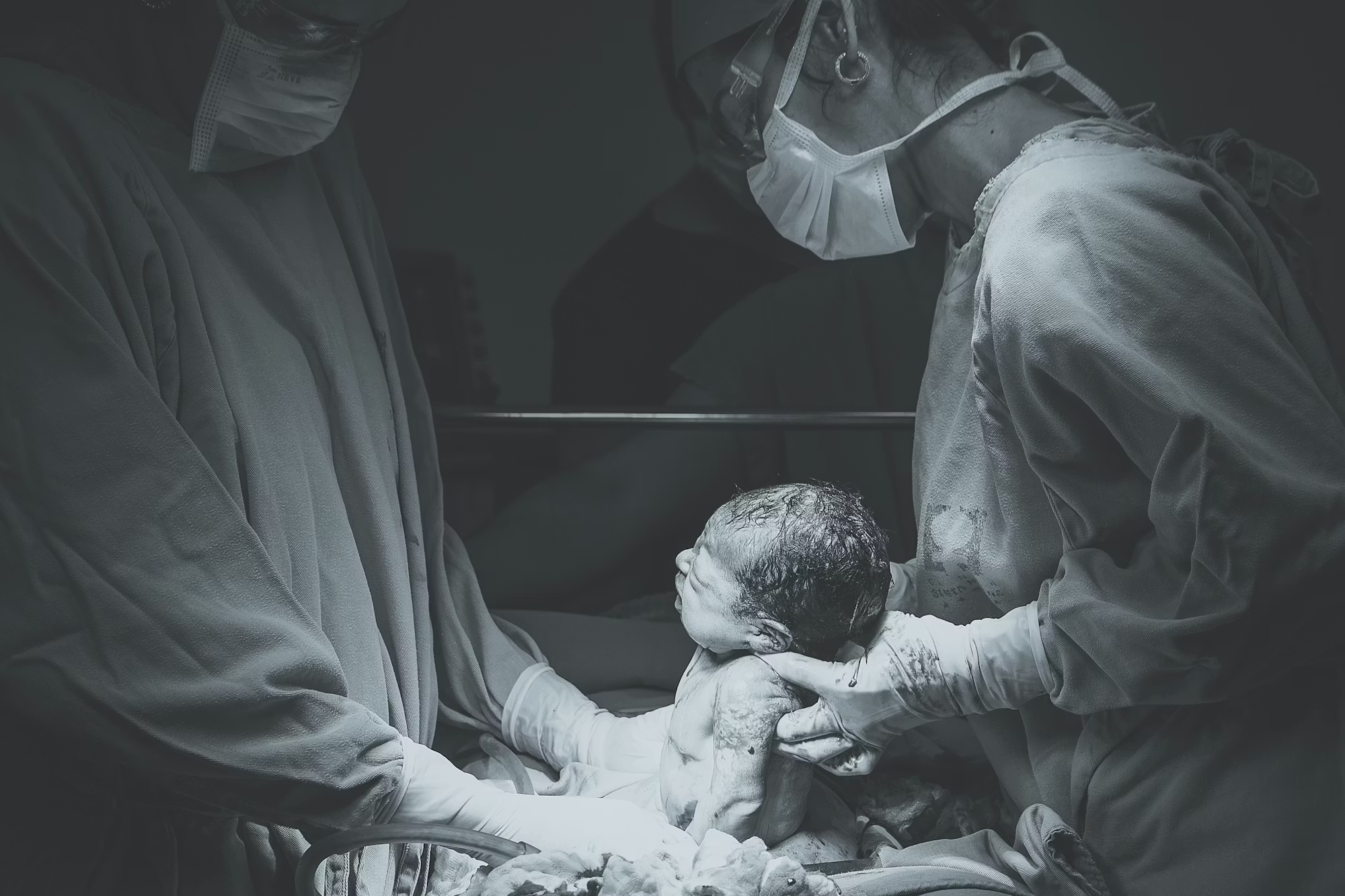
Women’s health clinics provide specialized care that addresses the unique health concerns of women. These clinics offer services such as gynecological exams, prenatal care, family planning, and menopause management. Women’s health clinics provide a supportive and understanding environment for patients to address their reproductive health, fertility concerns, and overall wellness.
In addition to routine check-ups and screenings, women’s health clinics also offer preventive care, including vaccinations and breast health screenings. These clinics help women manage their health through all stages of life, ensuring that they receive the care they need to maintain physical and emotional well-being.
Specialized Clinics and Healthcare Accessibility
One of the primary benefits of specialized clinics is their ability to enhance healthcare accessibility. In many parts of the world, general healthcare resources may be scarce, especially in rural or underserved communities. Specialized clinics can fill this gap by providing expert-level care in a specific area of medicine, often with fewer barriers than larger, more general healthcare facilities.
For example, a patient in a rural area who needs specialized orthopedic care may have difficulty accessing a large hospital or medical center. However, a nearby orthopedic clinic can provide high-quality care without the need for long-distance travel. Specialized clinics are thus instrumental in improving access to care, reducing wait times, and increasing the availability of expert services.
Conclusion: The Future of Specialized Clinics in Healthcare
The role of specialized clinics in healthcare is becoming increasingly important as the demand for expert care and personalized treatment grows. As healthcare systems worldwide continue to evolve, specialized clinics are playing a critical role in improving patient outcomes, enhancing accessibility, and providing high-quality care. With the continued advancement of medical technology and the growing focus on patient-centered care, specialized clinics will remain essential in the healthcare landscape, helping to address the diverse needs of patients and contribute to the overall improvement of healthcare delivery.
As we move forward, the role of specialized clinics will likely expand even further. In addition to continuing to provide in-person care, specialized clinics may increasingly adopt telemedicine solutions, enabling patients to access expert care remotely. This will further enhance accessibility and allow specialized clinics to serve a broader range of patients across the globe.
The future of healthcare is undoubtedly specialized, and specialized clinics will continue to lead the way in improving the efficiency, quality, and accessibility of care.